Author Archives: Mike Gogan

Replace

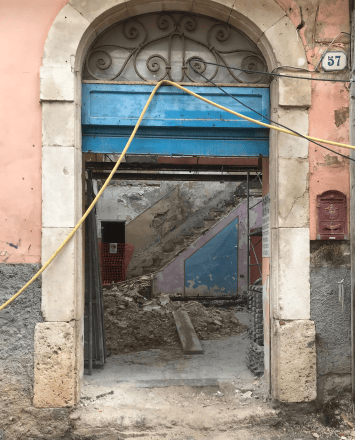
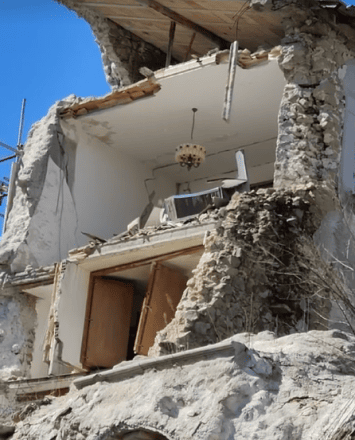
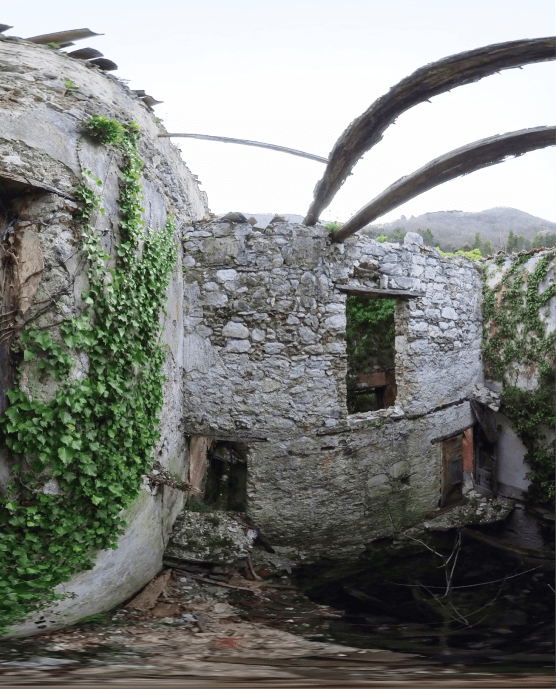
REbuilding a sense of PLACE (REPLACE) is a programme of research that aims to increase community resilience after natural disasters by advancing our understanding of the socio-cultural role 3D technologies can play in rebuilding a sense of place, thus enabling communities to prepare for, respond to, recover from, mitigate the effects, and adapt to environmental disasters.

Visit website →

Case Studies

The Team

Mike Gogan
Project Manager
Marco di Ioia
Drone Pilot/ 3D Developer
Alex Mesesan
3D Modeller/ Programmer
Radu Carstean
Unreal Engine Developer
Andrada Boldis
Website Developer

Suakin Island

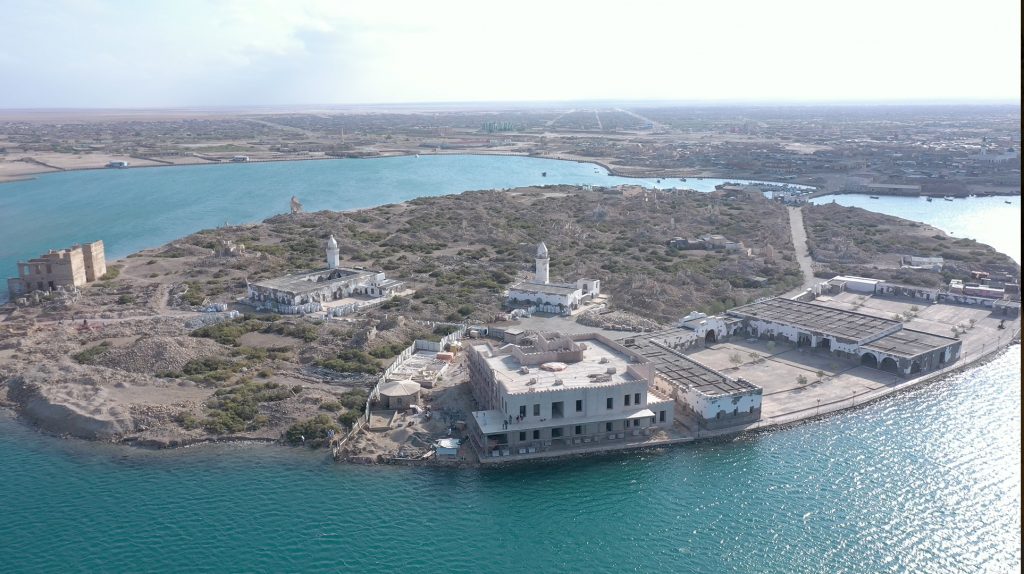
The island of Suakin, on the Red Sea in Sudan, was a major trading port for centuries. Ships plied their trade and pilgims traveled from here across to the holy city of Mecca. The early 20th Century saw the opening oif the Suez Canal and the flow of much larger ships sailing between Europe and the East. As Suakin was unable to accommodate these ships a new port, Port Sudan was opened just up the coast, Suakin’s trade dwindled and the once-bustling town was largely abandoned, leaving just a few buildings, as we see in the image below.

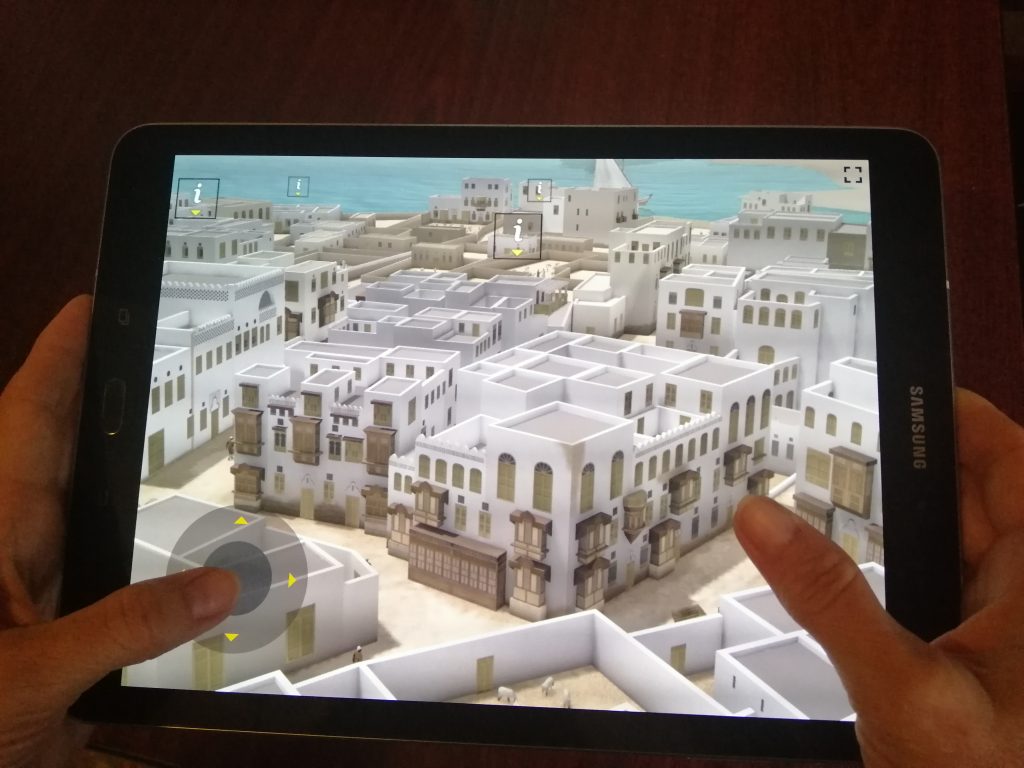
Despite this decline, Suakin remains a site of significant cultural importance in Sudan and families across the country retain a strong connection with their old home. The Ottoman connetctions with the port were acknowledged in recent years by the contributions of Turkey’s heritage agency, TIKA, to the resoration of some major building. Virtual Experience Company was commissioned, as part of the Sudan Memory project, to create an interactive reconstruction of Suakin, through which it would be possible for Sudanese people to access the rich archives relating to the cultural heritage of the island. The model is designed to be as accessible as possible, primarily to a Sudanese audience, using mobile phones.

The project was developed in collaboration with Kings College London and was funded by the British Council and the Cultural Protection Fund. The site can be accessed HERE or by scanning this QR code

The origins of Manchester Museum

Virtual technology is a blessing. Our company uses it to create things like stunning 3D models as well as more complex 3D projections. The things we make are useful for many purposes. Sometimes, it is for education. At other times, it is tourism. The models are exceptional because they mean people get to see what places such as Manchester Museum look like in great detail.

Background

The origins of Manchester Museum lie with the collection of John Leigh Phillips. He was a local collector and manufacturer. After his passing, a small number of wealthy people came together to buy his ‘cabinet’. During 1821, they set up the Manchester Natural History Society.

From 1835, the museum was in grand premises on Peter Street. The collections carried on increasing, with Members as well as separate bodies donating more and more items. These came from all over the world. In 1850, the Manchester Geological Society’s collections were procured.

Changes during the late 1800s

The 1860s was a very hard period for the Natural History Society. There were issues at the time, including the fact that there was very little money left. In addition, the building had no space left to display new items.

In 1868, the museum made the move to Owens College. Later on, this became the University of Manchester. The college sought the aid of famous architect Alfred Waterhouse to design the structure. It opened in 1890.

In time the establishment got the name Manchester Museum. By then, many people were using the collections. They were vital for educating schoolchildren and advancing the research of Owens College professors.

Expanding

At the same time, the number of donations was continuing. As a result the museum had to extend again, firstly between 1912 and 1913, and then in 1927. Waterhouse’s son and grandson designed these new parts of the museum. The extensions were for the display of new Egyptology and ethnographic collections.

How much do you know about Harvard House?

We are a company that is able to teach customers about the history of various locations. To do this, we use the latest 3D modelling technology. We have had the honour to build models of various structures and locations. This includes Harvard House, the ancestral home of John Harvard. The property has an association with a certain establishment. However, aside from this, the building is a great example of a timber-framed construct.

Continue reading

The history of Westminster Hall

If you want to visit particular sites but are not able to physically travel to them, we have a solution. The Virtual Experience Company creates 3D models and visualisations of places like Westminster Hall. The projects range from highly detailed 3D projections to simple panoramas. They are great for tourism, interpretation, and education purposes.

Continue reading

Virtual tours are possible thanks to modern technology

We are a team that develops virtual reality and 3D models that are full of detail. They are perfect for tours of museums and historic sites, giving people the chance to feel like they are really there. For the best results, we use the most cutting edge computer game technologies. Our team has a proclivity for the visualisation and interpretation of these models. So, with our help, people can visit heritage sites all over the world.

Continue reading